-
Which two-component thermal gel supplier is professional? NFION Technology is your expert choice! This article delves into NFION's core strengths, including its high thermal conductivity (up to 8.0 W/m·K), strict IATF 16949 quality system, and robust customization services. Discover why NFION Technology is the reliable partner for your thermal management solutions.
Details
Two-Component Thermal Gels: The NFION Advantage
Which two-component thermal gel supplier is professional? NFION Technology is your expert choice! This article delves into NFION's core strengths, including its high thermal conductivity (up to 8.0 W/m·K), strict IATF 16949 quality system, and robust customization services. Discover why NFION Technology is the reliable partner for your thermal management solutions.
Events
Details >
-
In the realm of electronics thermal management, thermal gel has become an indispensable material due to its excellent gap-filling capabilities and high thermal conductivity. However, simply choosing a good thermal gel isn't enough; the appropriate extrusion rate is crucial for its performance to be fully realized. So, what exactly is the "right" extrusion rate? This isn't a simple fixed number; it involves considering multiple dimensions such as material properties, application equipment, and cooling requirements.
Details
How Fast Should Thermal Gel Be Extruded? In-Depth Analysis and Practical Guide
In the realm of electronics thermal management, thermal gel has become an indispensable material due to its excellent gap-filling capabilities and high thermal conductivity. However, simply choosing a good thermal gel isn't enough; the appropriate extrusion rate is crucial for its performance to be fully realized. So, what exactly is the "right" extrusion rate? This isn't a simple fixed number; it involves considering multiple dimensions such as material properties, application equipment, and cooling requirements.
FAQ
Details >
-
Improving thermal gel stringing is a systematic undertaking, spanning materials science, rheology, and engineering applications. By fine-tuning material formulation, strictly controlling production processes, and continuously optimizing dispensing techniques, we can significantly reduce or even eliminate stringing.
Details
Is Your Thermal Gel Still "Stringing"? Master These Tips for Perfect Application
Improving thermal gel stringing is a systematic undertaking, spanning materials science, rheology, and engineering applications. By fine-tuning material formulation, strictly controlling production processes, and continuously optimizing dispensing techniques, we can significantly reduce or even eliminate stringing.
FAQ
Details >
-
In today's world of increasingly prevalent high-performance electronic devices, thermal gel stands as a crucial heat management material. Its performance directly impacts device stability and lifespan. The viscosity of thermal gel, a key parameter, often puzzles engineers and technicians: is lower viscosity better, or is higher viscosity better?
Details
Engineers, Read This: How to Pick the Best Thermal Gel by Viscosity and Boost Product Reliability
In today's world of increasingly prevalent high-performance electronic devices, thermal gel stands as a crucial heat management material. Its performance directly impacts device stability and lifespan. The viscosity of thermal gel, a key parameter, often puzzles engineers and technicians: is lower viscosity better, or is higher viscosity better?
FAQ
Details >
-
In the current trend of electronic devices becoming smaller and more high-performance, thermal management has emerged as a critical factor limiting their stable operation and lifespan. Traditional thermal interface materials often struggle to meet stringent heat dissipation demands. However, double-component thermal gels, with their excellent thermal conductivity, superior reliability, and flexible application characteristics, are increasingly becoming the new favorite in the field of thermal management.
Details
Double-Component Thermal Gel Industry Standard
In the current trend of electronic devices becoming smaller and more high-performance, thermal management has emerged as a critical factor limiting their stable operation and lifespan. Traditional thermal interface materials often struggle to meet stringent heat dissipation demands. However, double-component thermal gels, with their excellent thermal conductivity, superior reliability, and flexible application characteristics, are increasingly becoming the new favorite in the field of thermal management.
News
Details >
-
Based on experimental data and Arrhenius equation calculations, the lifespan of thermal gel is typically between 5 to 10 years, but the exact duration depends on temperature, environment, and material composition.
Details
How Long Does Thermal Gel Really Last? Discover the Truth!
Based on experimental data and Arrhenius equation calculations, the lifespan of thermal gel is typically between 5 to 10 years, but the exact duration depends on temperature, environment, and material composition.
FAQ
Details >
-
As a high-performance thermal interface material, thermal gel plays a critical role in energy storage battery thermal management. Through its efficient heat transfer capacity, low thermal resistance, and good stability, thermal gel effectively reduces the risk of thermal runaway in energy storage batteries, enhancing the system's safety and reliability.
Details
The Key Role of Thermal Gel in Energy Storage Battery Thermal Management
As a high-performance thermal interface material, thermal gel plays a critical role in energy storage battery thermal management. Through its efficient heat transfer capacity, low thermal resistance, and good stability, thermal gel effectively reduces the risk of thermal runaway in energy storage batteries, enhancing the system's safety and reliability.
News
Details >
-
Thermal gel powderization is a common aging phenomenon caused by high-temperature evaporation, oxidative degradation, mechanical stress, environmental exposure, and material quality issues. This issue can degrade thermal performance, increase maintenance costs, and pose potential safety risks. Selecting high-quality thermal gels, optimizing operating conditions, conducting regular inspections, and considering alternative thermal solutions can effectively mitigate the problem.
Details
How to Prevent Thermal Gel Powderization? A Comprehensive Guide
Thermal gel powderization is a common aging phenomenon caused by high-temperature evaporation, oxidative degradation, mechanical stress, environmental exposure, and material quality issues. This issue can degrade thermal performance, increase maintenance costs, and pose potential safety risks. Selecting high-quality thermal gels, optimizing operating conditions, conducting regular inspections, and considering alternative thermal solutions can effectively mitigate the problem.
FAQ
Details >
-
Both long and short curing times for two-component thermal gel have their respective advantages. The choice of curing time should be based on the specific application needs and environmental conditions. Longer curing times help improve thermal conductivity, filling ability, and material stability, making them suitable for high-precision applications. In contrast, shorter curing times are beneficial for improving production efficiency and meeting compact design needs.
Details
How to Choose the Right Curing Time for Two-Component Thermal Gel?
Both long and short curing times for two-component thermal gel have their respective advantages. The choice of curing time should be based on the specific application needs and environmental conditions. Longer curing times help improve thermal conductivity, filling ability, and material stability, making them suitable for high-precision applications. In contrast, shorter curing times are beneficial for improving production efficiency and meeting compact design needs.
FAQ
Details >
-
Fast curing in two-component thermal gels is a common issue in thermal management for electronic products. Solutions include optimizing the formula, controlling the working environment, using automated equipment, and selecting slow-curing formulas to ensure smooth application.
Details
What to Do When Two-Component Thermal Gel Cures Too Fast?
Fast curing in two-component thermal gels is a common issue in thermal management for electronic products. Solutions include optimizing the formula, controlling the working environment, using automated equipment, and selecting slow-curing formulas to ensure smooth application.
FAQ
Details >
-
Higher breakdown voltage in single-component thermally conductive gels is not always better but should be optimized based on specific application requirements. While improving breakdown voltage is essential for enhancing electrical insulation, it should not come at the expense of thermal conductivity. Future research on thermally conductive gels should emphasize balancing multiple performance metrics to meet diverse application needs.
Details
Is Higher Breakdown Voltage Always Better for Single-Component Thermal Gels?
Higher breakdown voltage in single-component thermally conductive gels is not always better but should be optimized based on specific application requirements. While improving breakdown voltage is essential for enhancing electrical insulation, it should not come at the expense of thermal conductivity. Future research on thermally conductive gels should emphasize balancing multiple performance metrics to meet diverse application needs.
FAQ
Details >
-
Conductivity:8.0W/M.K
Working Temperature:-40-200℃
Certification:UL,ROHS,REACH
Details
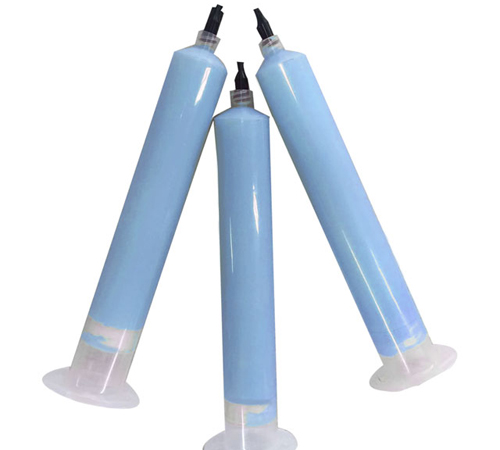
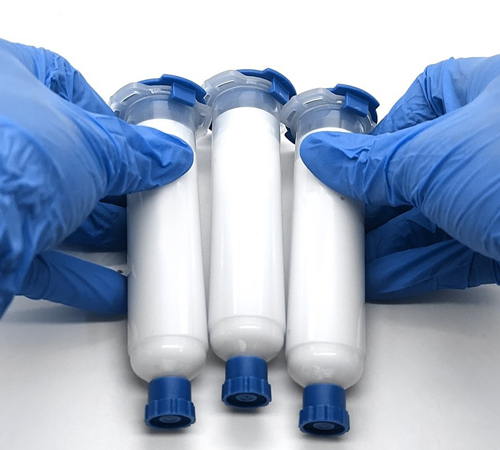
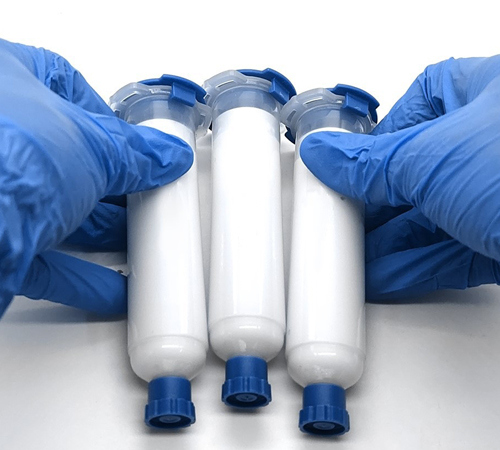
8.0W/M.K One-part Thermal Gel
Conductivity:8.0W/M.K
Working Temperature:-40-200℃
Certification:UL,ROHS,REACH
Thermal Paste
Details >
-
Thermal grease and thermal gel are commonly used thermal materials in electronic devices and thermal management systems. Thermal grease is easy to apply and has good thermal conductivity but requires periodic maintenance. Thermal gel offers high stability and is suitable for long-term use but is more expensive.
Details
What Are the Differences Between Thermal Grease and Thermal Gel?
Thermal grease and thermal gel are commonly used thermal materials in electronic devices and thermal management systems. Thermal grease is easy to apply and has good thermal conductivity but requires periodic maintenance. Thermal gel offers high stability and is suitable for long-term use but is more expensive.
FAQ
Details >
-
Conductivity:5.0W/M.K
Working Temperature:-40-200℃
Certification:UL,ROHS,REACH
Details
5.0W/M.K One-part Thermal Gel
Conductivity:5.0W/M.K
Working Temperature:-40-200℃
Certification:UL,ROHS,REACH
Thermal Paste
Details >
-
Conductivity:6.0W/M.K
Working Temperature:-40-200℃
Certification:UL,ROHS,REACH
Details
6.0W/M.K One-part Thermal Gel
Conductivity:6.0W/M.K
Working Temperature:-40-200℃
Certification:UL,ROHS,REACH
Thermal Paste
Details >
-
Conductivity:4.0W/M.K
Working Temperature:-40-200℃
Certification:UL,ROHS,REACH
Details
4.0W/M.K One-part Thermal Gel
Conductivity:4.0W/M.K
Working Temperature:-40-200℃
Certification:UL,ROHS,REACH
Thermal Paste
Details >
-
Conductivity:3.0W/M.K
Working Temperature:-40-200℃
Certification:UL,ROHS,REACH
Details
3.0W/M.K One-part Thermal Gel
Conductivity:3.0W/M.K
Working Temperature:-40-200℃
Certification:UL,ROHS,REACH
Thermal Paste
Details >
-
Conductivity:2.0W/M.K
Working Temperature:-40-200℃
Certification : UL,ROHS, REACH
Details
2.0W/M.K One-part Thermal Gel
Conductivity:2.0W/M.K
Working Temperature:-40-200℃
Certification : UL,ROHS, REACH
Thermal Paste
Details >
-
Conductivity:1.5W/M.K
Working Temperature:-40-200℃
Certification:UL,ROHS,REACH
Details
1.5W/M.K One-part Thermal Gel
Conductivity:1.5W/M.K
Working Temperature:-40-200℃
Certification:UL,ROHS,REACH
Thermal Paste
Details >
-
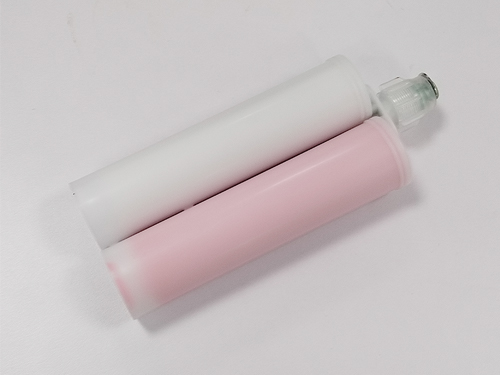
Thermal Conductivity:4.0W/M.K
Mixing Ratio:A:B=1:1
Curing Time:15min (100℃)
Curing Time:24H (25℃)
Temperature Range:-50~160℃
Certification:UL,ROHS,REACH
Details
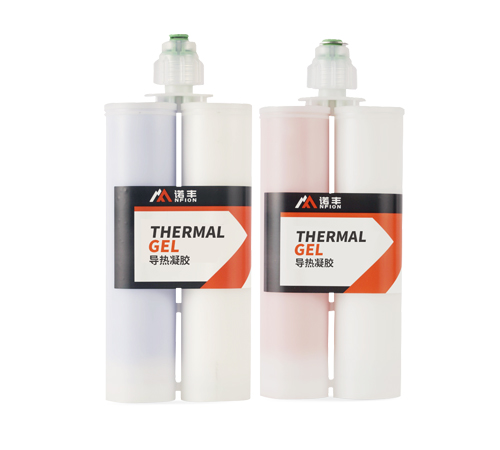
4.0 W/M.K Two-component Thermal Gel
Thermal Conductivity:4.0W/M.K
Mixing Ratio:A:B=1:1
Curing Time:15min (100℃)
Curing Time:24H (25℃)
Temperature Range:-50~160℃
Certification:UL,ROHS,REACH
Thermal Gel
Details >
 CN >
CN >