-
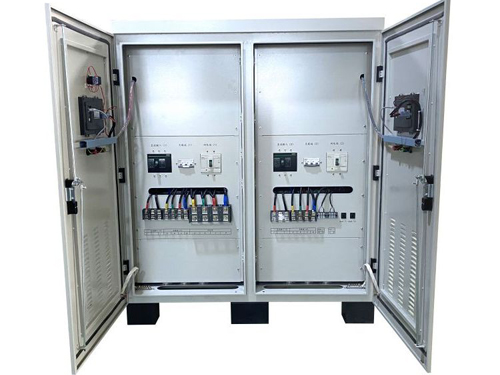
Thermal grease plays a crucial role in solving the heat dissipation problem of induction cookers. By choosing the right thermal grease, using it correctly, and maintaining it regularly, the heat dissipation effect of induction cookers can be effectively improved, extending their service life and ensuring their safe and reliable operation.
Details
Thermal Grease: The Secret to Solving Induction Cooker Heat Dissipation
Thermal grease plays a crucial role in solving the heat dissipation problem of induction cookers. By choosing the right thermal grease, using it correctly, and maintaining it regularly, the heat dissipation effect of induction cookers can be effectively improved, extending their service life and ensuring their safe and reliable operation.
News
Details >
-
The optimal thickness of thermal grease is not about being as thin or thick as possible — it’s about finding the right balance based on actual contact conditions and assembly pressure. Keeping the layer within the 20–100μm range, while using proper application and compression techniques, will maximize heat transfer performance.
Details
How Thick Should Thermal Grease Be? Heres the Expert Answer!
The optimal thickness of thermal grease is not about being as thin or thick as possible — it’s about finding the right balance based on actual contact conditions and assembly pressure. Keeping the layer within the 20–100μm range, while using proper application and compression techniques, will maximize heat transfer performance.
FAQ
Details >
-
Can thermal grease withstand 300℃? The answer is not absolute. While conventional thermal greases cannot maintain stable performance at 300℃, special formulations such as ceramic-based greases and fluorosilicone systems can meet high-temperature challenges.
Details
Thermal Grease at 300℃: What You Need to Know
Can thermal grease withstand 300℃? The answer is not absolute. While conventional thermal greases cannot maintain stable performance at 300℃, special formulations such as ceramic-based greases and fluorosilicone systems can meet high-temperature challenges.
FAQ
Details >
-
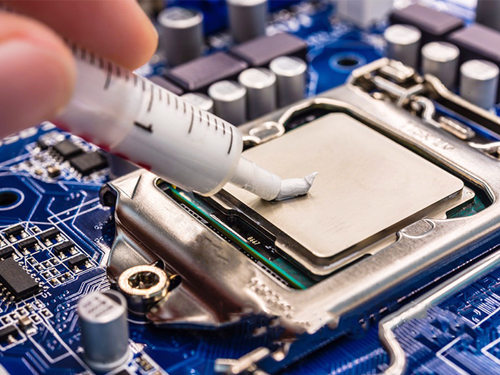
Discover the best thermal grease application methods, from DIY techniques to industrial automation, enhancing heat dissipation and product reliability.
Details
How to Apply Thermal Grease? A Complete Breakdown of 5 Techniques!
Discover the best thermal grease application methods, from DIY techniques to industrial automation, enhancing heat dissipation and product reliability.
FAQ
Details >
-
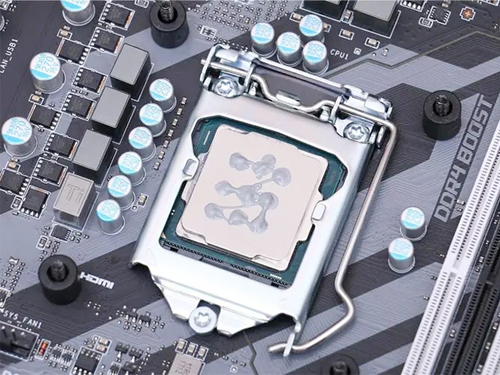
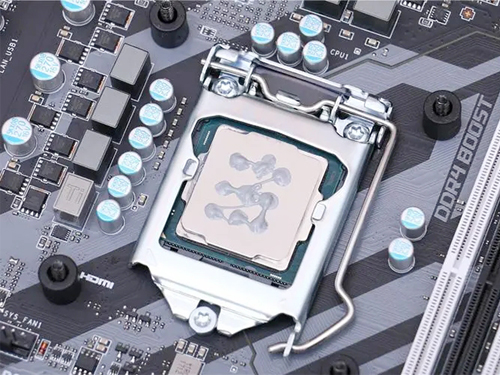
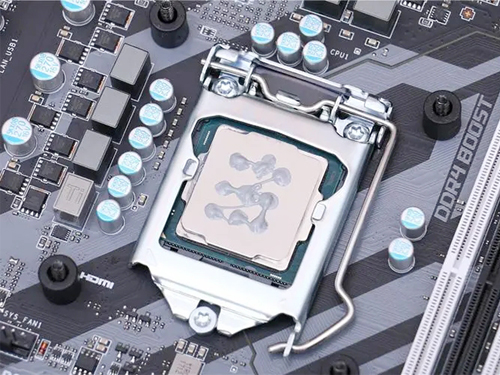
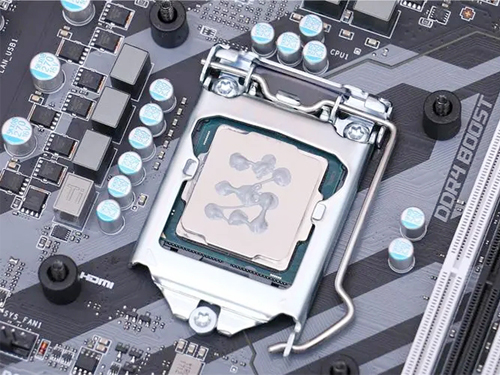
Without thermal grease, the CPU faces poor heat dissipation, rapid temperature rises, performance loss, and increased hardware failure risks. Therefore, proper thermal grease application is critical for maintaining CPU performance and extending hardware lifespan.
Details
What Happens If You Don’t Apply Thermal Grease to the CPU?
Without thermal grease, the CPU faces poor heat dissipation, rapid temperature rises, performance loss, and increased hardware failure risks. Therefore, proper thermal grease application is critical for maintaining CPU performance and extending hardware lifespan.
FAQ
Details >
-
Thermal grease provides an efficient and stable heat dissipation solution for electronic devices due to its outstanding thermal conductivity, ultra-low thermal resistance, and excellent wettability. It quickly transfers heat to lower device operating temperatures and extend lifespan. Its ease of application, non-curing property, and excellent temperature and chemical stability significantly enhance maintenance and replacement convenience.
Details
What are the advantages of thermal grease?
Thermal grease provides an efficient and stable heat dissipation solution for electronic devices due to its outstanding thermal conductivity, ultra-low thermal resistance, and excellent wettability. It quickly transfers heat to lower device operating temperatures and extend lifespan. Its ease of application, non-curing property, and excellent temperature and chemical stability significantly enhance maintenance and replacement convenience.
FAQ
Details >
-
Explore the disadvantages of thermal grease, including durability issues, messy application, uneven distribution, and potential risks such as short circuits and incompatibility with certain materials. Understand when to consider alternatives for optimal thermal management.
Details
What are the Disadvantages of Thermal Grease?
Explore the disadvantages of thermal grease, including durability issues, messy application, uneven distribution, and potential risks such as short circuits and incompatibility with certain materials. Understand when to consider alternatives for optimal thermal management.
FAQ
Details >
-
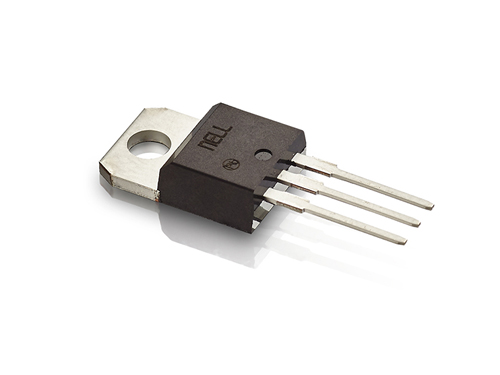
High-power SCRs, as high-power, high-temperature semiconductor devices, present significant thermal management challenges. Thermal grease has notable advantages in reducing thermal resistance and improving heat transfer efficiency, especially in high-power and long-term operation scenarios.
Details
Is It Necessary to Apply Thermal Grease on High-Power SCRs?
High-power SCRs, as high-power, high-temperature semiconductor devices, present significant thermal management challenges. Thermal grease has notable advantages in reducing thermal resistance and improving heat transfer efficiency, especially in high-power and long-term operation scenarios.
FAQ
Details >
-
Thermal grease is a crucial material for improving heat transfer between the CPU and the heatsink. Many users worry whether thermal grease applied to the CPU will fall off. In fact, whether thermal grease falls off depends on several factors, including the quality of the grease, application method, environmental conditions, and temperature fluctuations.
Details
How to Prevent Thermal Grease from Falling Off? Tips to Improve CPU Cooling
Thermal grease is a crucial material for improving heat transfer between the CPU and the heatsink. Many users worry whether thermal grease applied to the CPU will fall off. In fact, whether thermal grease falls off depends on several factors, including the quality of the grease, application method, environmental conditions, and temperature fluctuations.
FAQ
Details >
-
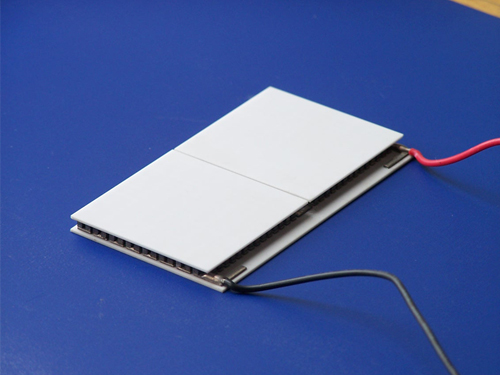
Yes, applying thermal grease to the cold side of a thermoelectric cooler (TEC) can reduce thermal resistance and improve cooling efficiency. However, its necessity depends on the specific application, environmental factors, and device requirements.
Details
Does the Cold Side of a Thermoelectric Cooler Need Thermal Grease?
Yes, applying thermal grease to the cold side of a thermoelectric cooler (TEC) can reduce thermal resistance and improve cooling efficiency. However, its necessity depends on the specific application, environmental factors, and device requirements.
FAQ
Details >
-
The combination of thermal pads and thermal grease offers a reliable solution to PS4’s overheating issues. Thermal pads fill larger gaps, while thermal grease fills microscopic ones, creating a complete thermal pathway. This not only enhances cooling efficiency but also reduces temperature peaks and prolongs device lifespan.
Details
Thermal Pads and Thermal Grease: The Ideal Solution to PS4 Overheating
The combination of thermal pads and thermal grease offers a reliable solution to PS4’s overheating issues. Thermal pads fill larger gaps, while thermal grease fills microscopic ones, creating a complete thermal pathway. This not only enhances cooling efficiency but also reduces temperature peaks and prolongs device lifespan.
News
Details >
-
Thermal grease is widely used for its excellent heat dissipation properties in electronic devices.Typically, thermal grease is non-conductive, making it suitable for most electronic heat dissipation needs. However, conductive thermal greases are available for applications requiring both heat and electrical conduction. Selecting the right thermal grease can enhance heat dissipation performance while ensuring electrical safety.
Details
Is Thermal Grease Electrically Conductive?
Thermal grease is widely used for its excellent heat dissipation properties in electronic devices.Typically, thermal grease is non-conductive, making it suitable for most electronic heat dissipation needs. However, conductive thermal greases are available for applications requiring both heat and electrical conduction. Selecting the right thermal grease can enhance heat dissipation performance while ensuring electrical safety.
FAQ
Details >
-
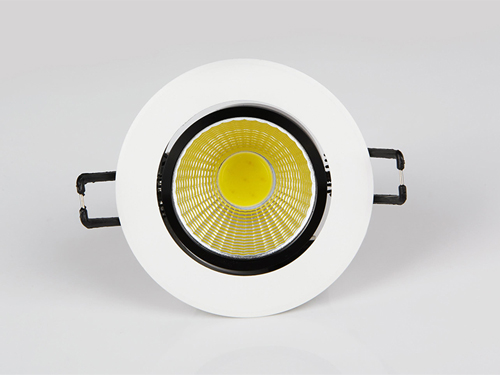
The choice of thermal materials for COB lighting should be based on the actual application requirements. Silicone thermal pads, with their stability, long lifespan, and ease of installation, are ideal for high-end lighting systems requiring continuous stable heat dissipation. On the other hand, thermal grease, with its high thermal conductivity and cost advantages, is more suitable for short-term, cost-sensitive applications. Designers should consider factors such as power, operating environment, production cost, and maintenance needs to make the best choice for optimizing the performance and lifespan of COB lighting systems.
Details
COB Lighting Heat Dissipation: A Comparative Analysis of Silicone Thermal Pads and Thermal Grease
The choice of thermal materials for COB lighting should be based on the actual application requirements. Silicone thermal pads, with their stability, long lifespan, and ease of installation, are ideal for high-end lighting systems requiring continuous stable heat dissipation. On the other hand, thermal grease, with its high thermal conductivity and cost advantages, is more suitable for short-term, cost-sensitive applications. Designers should consider factors such as power, operating environment, production cost, and maintenance needs to make the best choice for optimizing the performance and lifespan of COB lighting systems.
News
Details >
-
Thermal grease is crucial for heat management in energy storage inverters, where high power density and continuous operation generate significant heat. By filling gaps between components and heat sinks, thermal grease improves heat transfer, reduces thermal resistance, and ensures stable performance. Its high thermal conductivity, electrical insulation, and long-term stability contribute to increased efficiency, longer device lifespan, and reduced maintenance costs. As energy storage technology advances, thermal grease must evolve to meet higher thermal demands and sustainability challenges.
Details
Application of Thermal Grease in Energy Storage Inverters
Thermal grease is crucial for heat management in energy storage inverters, where high power density and continuous operation generate significant heat. By filling gaps between components and heat sinks, thermal grease improves heat transfer, reduces thermal resistance, and ensures stable performance. Its high thermal conductivity, electrical insulation, and long-term stability contribute to increased efficiency, longer device lifespan, and reduced maintenance costs. As energy storage technology advances, thermal grease must evolve to meet higher thermal demands and sustainability challenges.
News
Details >
-
Thermal grease, with its excellent thermal conductivity, good electrical insulation, and strong environmental adaptability, has become the ideal material for addressing inverter cooling challenges. By selecting and applying thermal grease appropriately, companies can significantly improve the operational efficiency and stability of inverters, extend equipment lifespan, reduce maintenance costs, and ultimately achieve higher economic benefits.
Details
Thermal Grease: The Key to Efficient Inverter Cooling
Thermal grease, with its excellent thermal conductivity, good electrical insulation, and strong environmental adaptability, has become the ideal material for addressing inverter cooling challenges. By selecting and applying thermal grease appropriately, companies can significantly improve the operational efficiency and stability of inverters, extend equipment lifespan, reduce maintenance costs, and ultimately achieve higher economic benefits.
News
Details >
-
Thermal grease and thermal gel are commonly used thermal materials in electronic devices and thermal management systems. Thermal grease is easy to apply and has good thermal conductivity but requires periodic maintenance. Thermal gel offers high stability and is suitable for long-term use but is more expensive.
Details
What Are the Differences Between Thermal Grease and Thermal Gel?
Thermal grease and thermal gel are commonly used thermal materials in electronic devices and thermal management systems. Thermal grease is easy to apply and has good thermal conductivity but requires periodic maintenance. Thermal gel offers high stability and is suitable for long-term use but is more expensive.
FAQ
Details >
-
Thermal grease enhances power battery performance by improving heat dissipation and safety. Types include silicone-based, carbon-based, metal-based, and composite.
Details
Types of Thermal Grease for Power Batteries
Thermal grease enhances power battery performance by improving heat dissipation and safety. Types include silicone-based, carbon-based, metal-based, and composite.
FAQ
Details >
-
Determining whether thermal grease contains water is essential for maintaining its performance and reliability. Various methods, including visual inspection, weight analysis, Karl Fischer titration, FTIR, TGA, and electrical conductivity measurement, can accurately detect the water content. By choosing the appropriate method based on specific needs and conditions, the efficiency and stability of the thermal grease can be ensured, providing reliable assurance for the normal operation of electronic devices.
Details
How to Determine if Thermal Grease Contains Water?
Determining whether thermal grease contains water is essential for maintaining its performance and reliability. Various methods, including visual inspection, weight analysis, Karl Fischer titration, FTIR, TGA, and electrical conductivity measurement, can accurately detect the water content. By choosing the appropriate method based on specific needs and conditions, the efficiency and stability of the thermal grease can be ensured, providing reliable assurance for the normal operation of electronic devices.
FAQ
Details >
-
Thermal grease is widely used in the cooling systems of electronic devices and computer hardware. Its main function is to fill the microscopic gaps between heat-generating components and heat sinks, t...
Details
Exploring the Causes of Thermal Grease Sedimentation and Clumping
Thermal grease is widely used in the cooling systems of electronic devices and computer hardware. Its main function is to fill the microscopic gaps between heat-generating components and heat sinks, t...
FAQ
Details >
-
Thermal conductive pads and thermal grease are essential in electronic device heat management. Pads offer high conductivity, stability, and insulation for long-term use, while grease fills gaps effectively and is flexible for custom applications. Both have unique advantages and specific uses.
Details
What Is The Difference Between Thermal Pad And Thermal Grease?
Thermal conductive pads and thermal grease are essential in electronic device heat management. Pads offer high conductivity, stability, and insulation for long-term use, while grease fills gaps effectively and is flexible for custom applications. Both have unique advantages and specific uses.
FAQ
Details >


 CN >
CN >