
NF150-300 high thermal conductivity silicone pads are designed for efficient heat dissipation in 5G integrated base stations. With a thermal conductivity of 3.0 W/m·K, excellent flexibility, and long-term stability, NF150-300 successfully replaced an imported brand for a leading domestic manufacturer. Discover how NF150-300 empowers 5G thermal management and drives the crucial domestic substitution of key materials.
Events
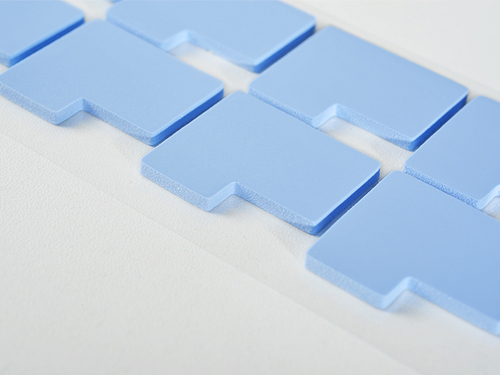
Why Consider the Tensile Strength of Sil Thermal Pads?In the design of electronic device cooling solutions, the choice of thermal interface materials is crucial. From CPUs to GPUs, and various power m...
FAQ
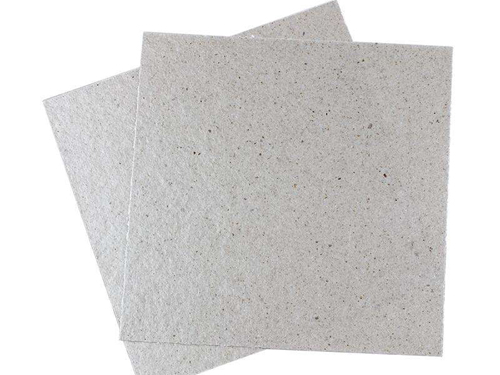
Nfion provides an in-depth comparison of the thermal conductivity of mica sheets and silicone sheets, discussing their performance in high-temperature and high-voltage environments to help engineers and procurement professionals choose the most suitable thermal material based on specific needs.
FAQ
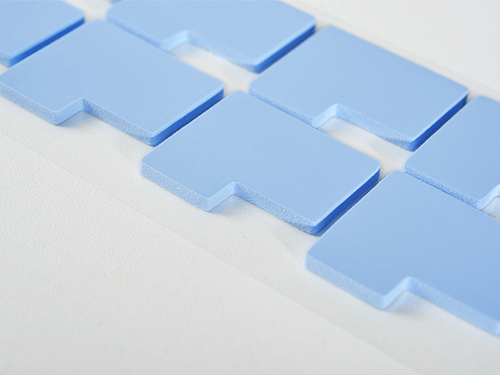
The relationship between thermal conductivity and density in thermal silicone pads is complex, influenced by material composition, structure, and filler distribution. While higher density typically correlates with higher thermal conductivity, this is not absolute. To achieve the best thermal performance, manufacturers must consider the types, shapes, and distribution of thermal fillers, and use advanced manufacturing techniques to minimize voids and defects.
FAQ
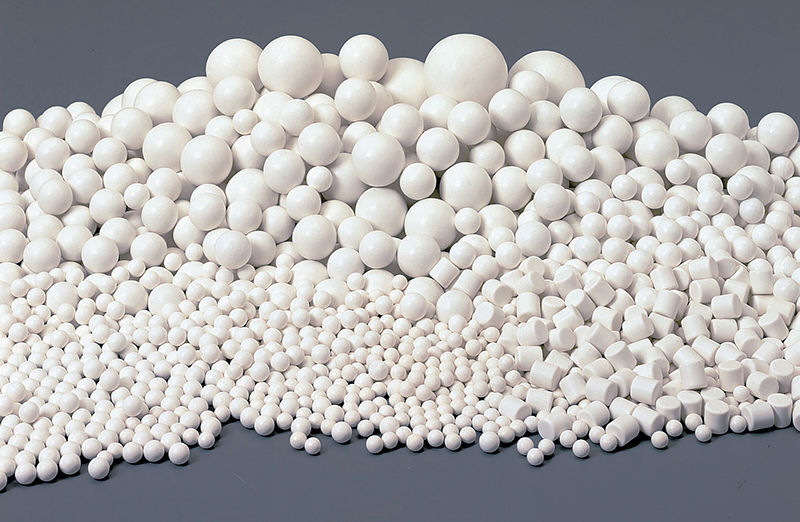
As crucial thermal materials, alumina (Al₂O₃) and magnesia (MgO) each have unique advantages and suitable application fields. Magnesia excels in high thermal conductivity and high-temperature applications, while alumina is widely used due to its good overall performance and cost-effectiveness. The choice between these materials should be based on specific application requirements, cost considerations, and performance needs.
FAQ
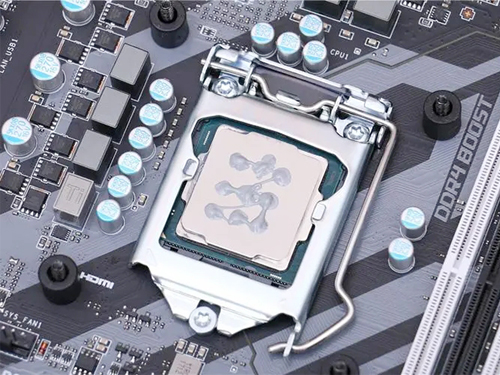
Thermal grease's thermal conductivity and viscosity are key performance indicators, influenced by composition and microstructure, requiring a balance for optimal application.
FAQ

The thermal conductivity of thermal silicone pads is neither inherently better when higher nor worse when lower; it should be selected according to the specific application needs. Understanding and leveraging the role of thermal conductivity can help us make better material choices and thermal management designs, ensuring electronic devices operate stably and efficiently in various environments.
FAQ
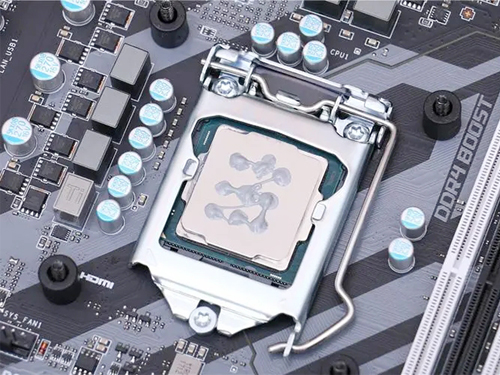
Thermal conductivity measures a material's intrinsic ability to conduct heat, while the heat transfer coefficient considers both conduction and convection at fluid-solid interfaces.
FAQ
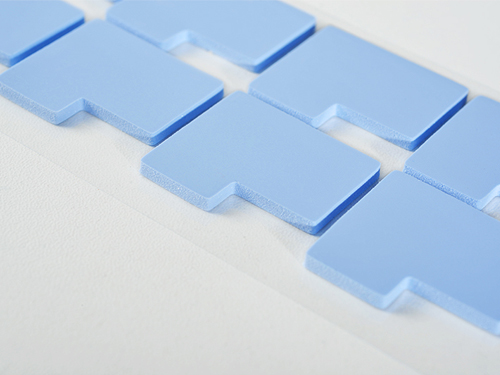
Thermal conductivity silicon pad is a high-performance heat-conducting material, which is widely used in various electronic devices to solve the internal heat transmission problem of the equipment.
FAQ
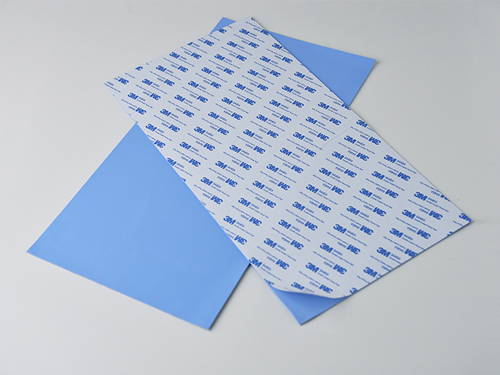
The thermal conductivity of the selection of thermal silicon pad should be guided by actual application needs, taking into account the working environment, physical characteristics and testing standards to ensure that the selected products can effectively and reliably achieve the thermal management goals under specific conditions.
FAQ
 CN >
CN >