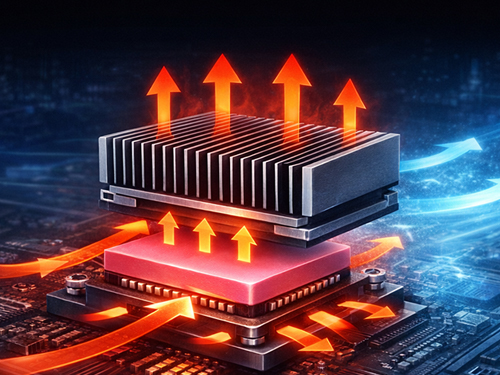
Many people assume silicone thermal pads can dissipate heat, but they are actually thermal interface materials designed to reduce thermal resistance and improve heat transfer. This article explains their real function from both material principles and engineering perspectives.
FAQ
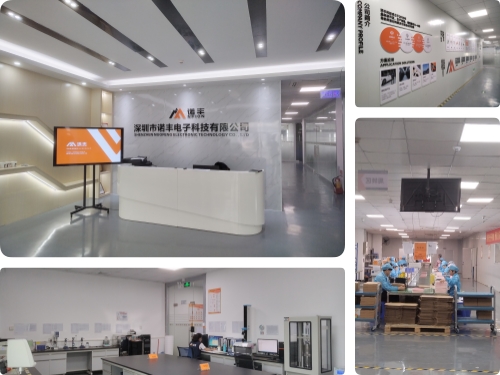
Shenzhen Nuofeng Electronics specializes in Silicone Thermal Pads and thermal interface materials with over 10 years of expertise, offering 1.0–15 W/m·K solutions and one-stop thermal management services for servers, automotive electronics, and energy storage systems.
Events

In-depth discussion on the feasibility of using silicone thermal pads in a vacuum environment. This article analyzes the special material requirements of vacuum conditions and how to solve thermal management challenges by choosing low-outgassing silicone thermal pads that comply with NASA ASTM E595 standards, offering professional insights for precision electronics and aerospace.
FAQ

In thermal management design for electronic devices, silicone thermal pads are widely used thermal interface materials (TIMs). Among their key parameters, the compression ratio is frequently mentioned yet often underestimated. It directly affects thermal conductivity performance, assembly process compatibility, and long-term reliability.
FAQ

As a critical thermal management material in electronic devices, the environmental performance of silicone thermal pads significantly impacts the overall environmental performance of the product. Compliance with ROHS requirements is not only a necessary condition for entering the international market but also a key factor in protecting the environment, ensuring human health, and enhancing market competitiveness.
FAQ
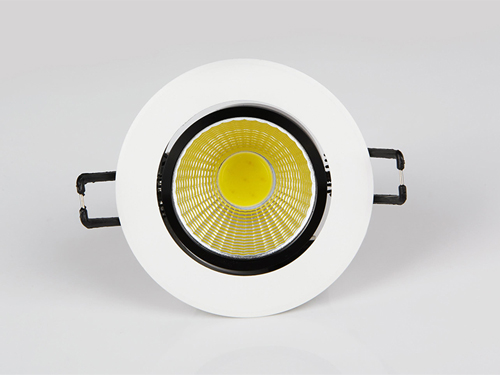
The choice of thermal materials for COB lighting should be based on the actual application requirements. Silicone thermal pads, with their stability, long lifespan, and ease of installation, are ideal for high-end lighting systems requiring continuous stable heat dissipation. On the other hand, thermal grease, with its high thermal conductivity and cost advantages, is more suitable for short-term, cost-sensitive applications. Designers should consider factors such as power, operating environment, production cost, and maintenance needs to make the best choice for optimizing the performance and lifespan of COB lighting systems.
News
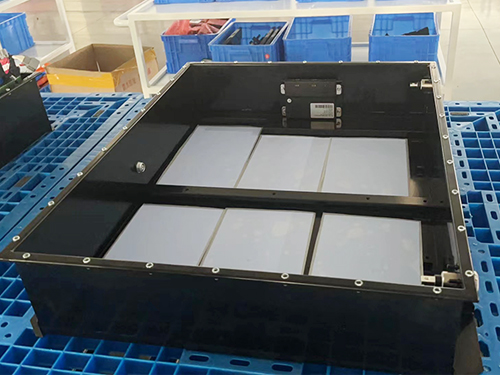
In battery pack design, managing the thermal interface between battery cells and heat sinks (such as metal heat sinks or liquid cooling plates) is critical to achieving efficient heat dissipation. Silicone thermal pads act as thermal interface materials (TIMs), filling the micro-gaps between cells and heat sinks to lower thermal resistance and enhance heat dissipation.
News

Exploring the subtle yet intriguing role of color in thermal conductive silicone pads, beyond their core thermal performance. While pigment doesn't affect conductivity, it influences aesthetics, user perception, manufacturing costs, and compatibility in electronic device cooling systems, highlighting the need for balanced consideration in product selection and industry innovation.
FAQ

The lifespan of thermally conductive silicone pads is intertwined with numerous factors, including material composition, manufacturing processes, usage environments, and application methods. As a thermal material manufacture , Nfion Thermal will provide a detailed explanation from a professional standpoint and offer advice on extending the lifespan of these silicone pads.
FAQ
 CN >
CN >