-
NFION NF150-150 silicone thermal conductive pad offers 1.5W/m·K thermal conductivity, excellent flexibility, and strong electrical insulation. It is widely used in EVs, communication equipment, and AI servers, providing engineers with efficient and reliable thermal management solutions.
Details
NFION NF150-150 Silicone Thermal Conductive Pad — The Ideal Choice for Efficient Thermal Management
NFION NF150-150 silicone thermal conductive pad offers 1.5W/m·K thermal conductivity, excellent flexibility, and strong electrical insulation. It is widely used in EVs, communication equipment, and AI servers, providing engineers with efficient and reliable thermal management solutions.
Events
Details >
-
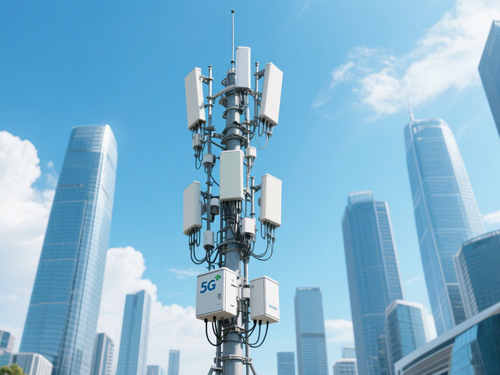
Base stations are the core of mobile communication, and with the rise of 5G, thermal and energy challenges are increasing. This article explains the definition, structure, types, and principles of base stations, while highlighting the critical role of thermal interface materials in base station heat management for reliable and efficient networks.
Details
What is a Base Station? — From Communication Core to Thermal Management Challenges
Base stations are the core of mobile communication, and with the rise of 5G, thermal and energy challenges are increasing. This article explains the definition, structure, types, and principles of base stations, while highlighting the critical role of thermal interface materials in base station heat management for reliable and efficient networks.
FAQ
Details >
-
Through the international platform of CIBF2025, NFION not only showcased its advanced technology in new energy thermal materials, but also redefined the industry’s new standards for “safety, reliability, and efficiency” from a system-wide perspective. Moving forward, NFION will continue collaborating with upstream and downstream partners to build a safe and efficient thermal control ecosystem and create a low-carbon, green future together.
Details
NFION at CIBF2025: Full-Spectrum Thermal Management Solutions
Through the international platform of CIBF2025, NFION not only showcased its advanced technology in new energy thermal materials, but also redefined the industry’s new standards for “safety, reliability, and efficiency” from a system-wide perspective. Moving forward, NFION will continue collaborating with upstream and downstream partners to build a safe and efficient thermal control ecosystem and create a low-carbon, green future together.
Events
Details >
-
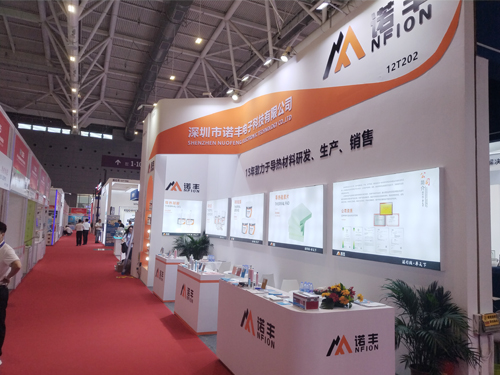
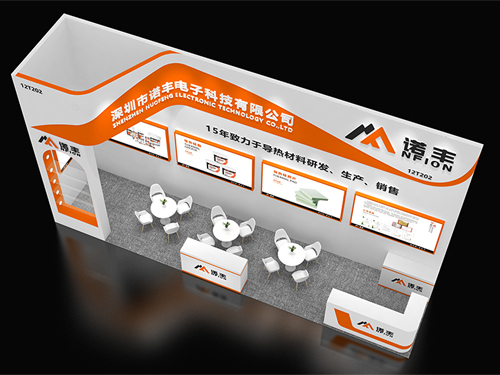
Shenzhen Nuofeng Electronic Technology Co., Ltd. invites you to visit booth 12T202 at CIBF2025, held from May 15–17, 2025 at Shenzhen World Exhibition Center (Bao’an), showcasing advanced thermal interface materials and battery thermal management solutions.
Details
Join NFION at CIBF2025 to Explore the Future of Battery Thermal Management
Shenzhen Nuofeng Electronic Technology Co., Ltd. invites you to visit booth 12T202 at CIBF2025, held from May 15–17, 2025 at Shenzhen World Exhibition Center (Bao’an), showcasing advanced thermal interface materials and battery thermal management solutions.
Events
Details >
-
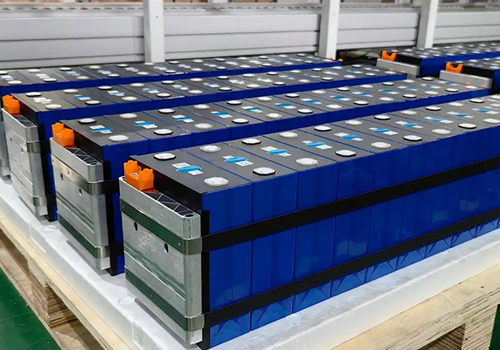
As a high-performance thermal interface material, thermal gel plays a critical role in energy storage battery thermal management. Through its efficient heat transfer capacity, low thermal resistance, and good stability, thermal gel effectively reduces the risk of thermal runaway in energy storage batteries, enhancing the system's safety and reliability.
Details
The Key Role of Thermal Gel in Energy Storage Battery Thermal Management
As a high-performance thermal interface material, thermal gel plays a critical role in energy storage battery thermal management. Through its efficient heat transfer capacity, low thermal resistance, and good stability, thermal gel effectively reduces the risk of thermal runaway in energy storage batteries, enhancing the system's safety and reliability.
News
Details >
-
thermal management of elevator drive modules is imperative. It enhances performance, prolongs lifespan, and ensures system reliability for safe elevator operation. Design considerations encompass heat dissipation, cooling, interface materials, and temperature controls, addressing challenges like space constraints, noise, cost, and reliability.
Details
Learn The Crucial Role of Thermal Management in Elevator Drive Modules
thermal management of elevator drive modules is imperative. It enhances performance, prolongs lifespan, and ensures system reliability for safe elevator operation. Design considerations encompass heat dissipation, cooling, interface materials, and temperature controls, addressing challenges like space constraints, noise, cost, and reliability.
News
Details >
-
5G's rapid growth ushers in an era of lightning-speed data, wider connections, and minimal lag, yet poses unique thermal management challenges. High-density, power-hungry 5G devices generate immense heat, mandating advanced heat control materials to ensure reliability & performance. From graphene fillers to phase change materials, these innovations tackle heat issues, enhancing device efficiency, longevity, and operability in diverse 5G applications.
Details
Navigating 5Gs Thermal Management Challenges with Advanced Materials
5G's rapid growth ushers in an era of lightning-speed data, wider connections, and minimal lag, yet poses unique thermal management challenges. High-density, power-hungry 5G devices generate immense heat, mandating advanced heat control materials to ensure reliability & performance. From graphene fillers to phase change materials, these innovations tackle heat issues, enhancing device efficiency, longevity, and operability in diverse 5G applications.
FAQ
Details >
-
Thermal management plays a pivotal role in the BMS, where it is responsible for monitoring and controlling the battery's temperature to guarantee that the battery operates safely and efficiently under various environmental and usage conditions.
Details
Learn the role of thermal management in BMS
Thermal management plays a pivotal role in the BMS, where it is responsible for monitoring and controlling the battery's temperature to guarantee that the battery operates safely and efficiently under various environmental and usage conditions.
News
Details >
-
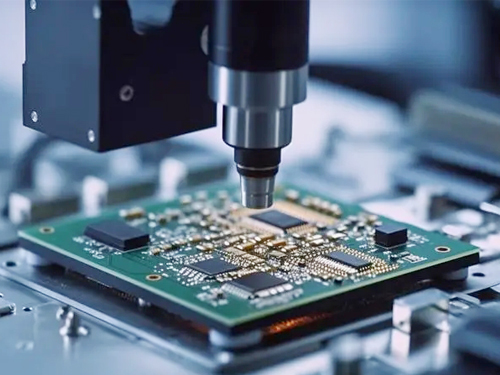
Thermally conductive silicone pads, with their outstanding thermal conductivity, electrical insulation, adaptability, and user-friendliness, are widely employed in semiconductor thermal management. Serving as a key thermal interface material, they effectively address the challenges of heat transfer between semiconductor devices and cooling systems, ensuring the stable operation and prolonged lifespan of electronic equipment.
Details
Application of thermally pads in semiconductor thermal management
Thermally conductive silicone pads, with their outstanding thermal conductivity, electrical insulation, adaptability, and user-friendliness, are widely employed in semiconductor thermal management. Serving as a key thermal interface material, they effectively address the challenges of heat transfer between semiconductor devices and cooling systems, ensuring the stable operation and prolonged lifespan of electronic equipment.
News
Details >
-
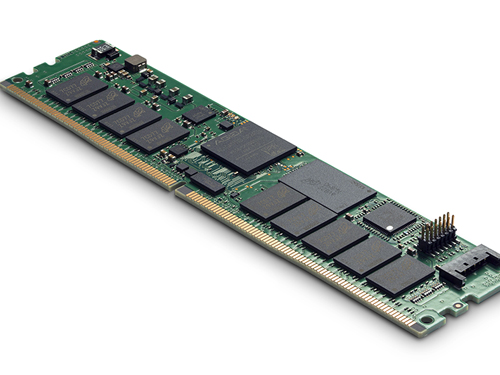
Thermal conductive silicone pads play a critical role in thermal management within memory applications. By providing efficient thermal conduction, reliable electrical insulation, effective mechanical buffering, and ease of installation, they significantly enhance the overall thermal efficiency and system stability of memory modules.
Details
The role of thermal pads in memory thermal management
Thermal conductive silicone pads play a critical role in thermal management within memory applications. By providing efficient thermal conduction, reliable electrical insulation, effective mechanical buffering, and ease of installation, they significantly enhance the overall thermal efficiency and system stability of memory modules.
News
Details >
-
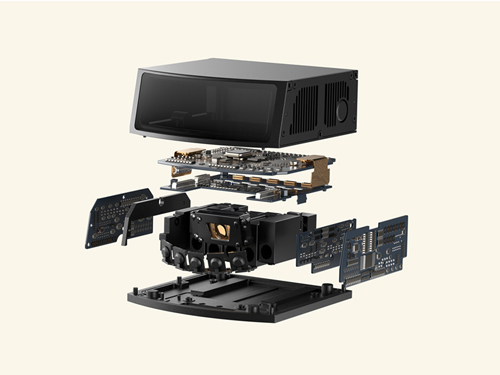
Thermal management design for LiDAR is a comprehensive engineering endeavor encompassing heat source identification, selection of thermal materials and technologies, component layout for heat dissipation, active and passive cooling strategies, intelligent temperature control, packaging and material choices, and thorough consideration of environmental adaptability. By effectively integrating these strategies, LiDAR systems can maintain excellent thermal stability across diverse operating conditions, ensuring their long-term reliability.
Details
What is the LiDAR thermal management design?
Thermal management design for LiDAR is a comprehensive engineering endeavor encompassing heat source identification, selection of thermal materials and technologies, component layout for heat dissipation, active and passive cooling strategies, intelligent temperature control, packaging and material choices, and thorough consideration of environmental adaptability. By effectively integrating these strategies, LiDAR systems can maintain excellent thermal stability across diverse operating conditions, ensuring their long-term reliability.
FAQ
Details >
-
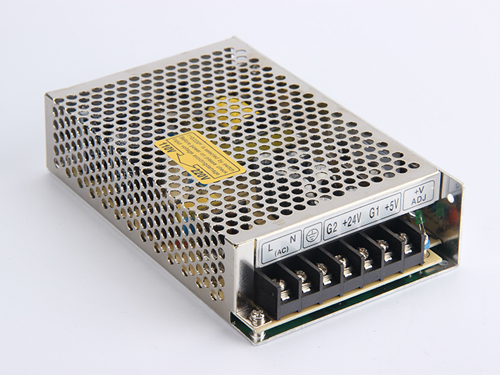
The application of thermal management materials in switching power supplies aims to effectively manage the internally generated heat, ensuring that power supply components operate within their normal temperature range, preventing performance degradation, shortened lifespan, or failure due to overheating.
Details
Thermal Management Materials For Switching Power Supplies
The application of thermal management materials in switching power supplies aims to effectively manage the internally generated heat, ensuring that power supply components operate within their normal temperature range, preventing performance degradation, shortened lifespan, or failure due to overheating.
News
Details >
-
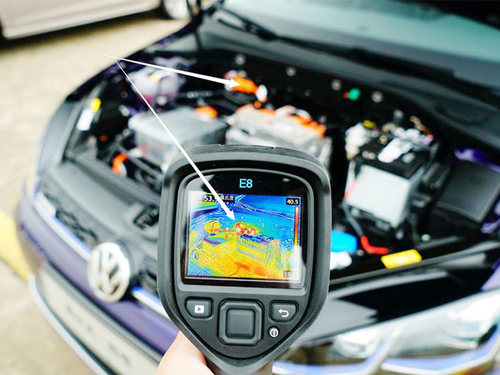
Thermal management is an engineering discipline that involves scientifically designing and implementing effective heating, cooling, or insulation measures to control the distribution of heat within or on the surface of a specific system or device, as well as the transfer of heat and temperature levels, ensuring that the system operates within an appropriate temperature range under expected working conditions.
Details
What is thermal management ?
Thermal management is an engineering discipline that involves scientifically designing and implementing effective heating, cooling, or insulation measures to control the distribution of heat within or on the surface of a specific system or device, as well as the transfer of heat and temperature levels, ensuring that the system operates within an appropriate temperature range under expected working conditions.
FAQ
Details >


 CN >
CN >