CN >
CN >
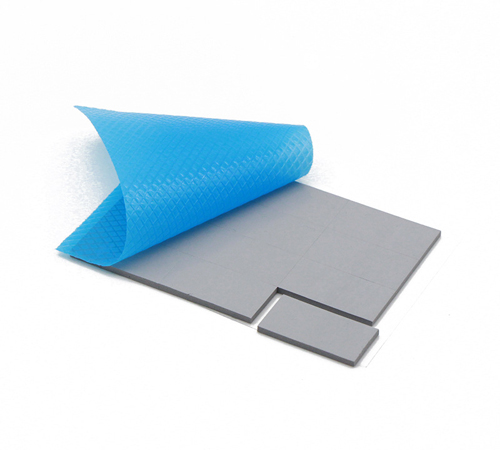
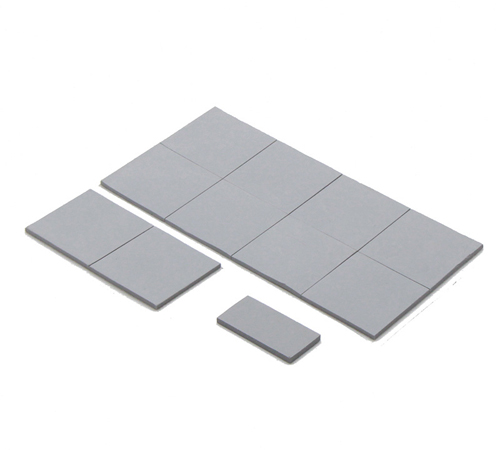
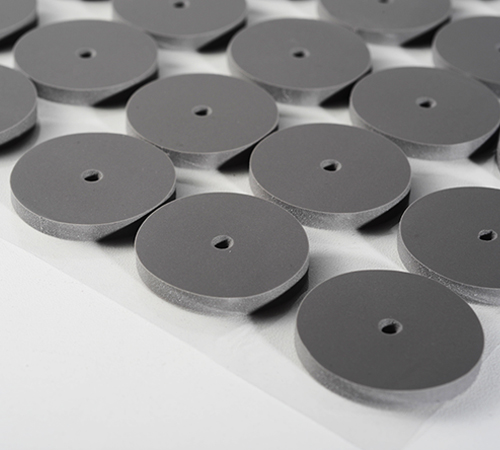
As electronic devices continue to evolve toward higher performance, higher power density, and greater miniaturization, thermal management has become a critical factor affecting system stability and product lifespan. Among various thermal interface materials (TIMs), silicone thermal pads are widely used due to their good thermal conductivity, excellent compressibility, electrical insulation, and easy installation.
They are commonly applied in power modules, automotive electronics, communication equipment, servers, energy storage systems, and industrial control devices.
However, in real engineering practice, many designers focus only on thermal conductivity when selecting a thermal pad, while overlooking other important parameters such as thickness, hardness, thermal resistance, temperature range, and insulation performance. This can lead to poor heat dissipation efficiency or even long-term reliability issues.
So, how should engineers properly select a silicone thermal pad in 2026?
This guide analyzes eight critical selection factors to help engineers choose the most suitable thermal interface material for their applications.
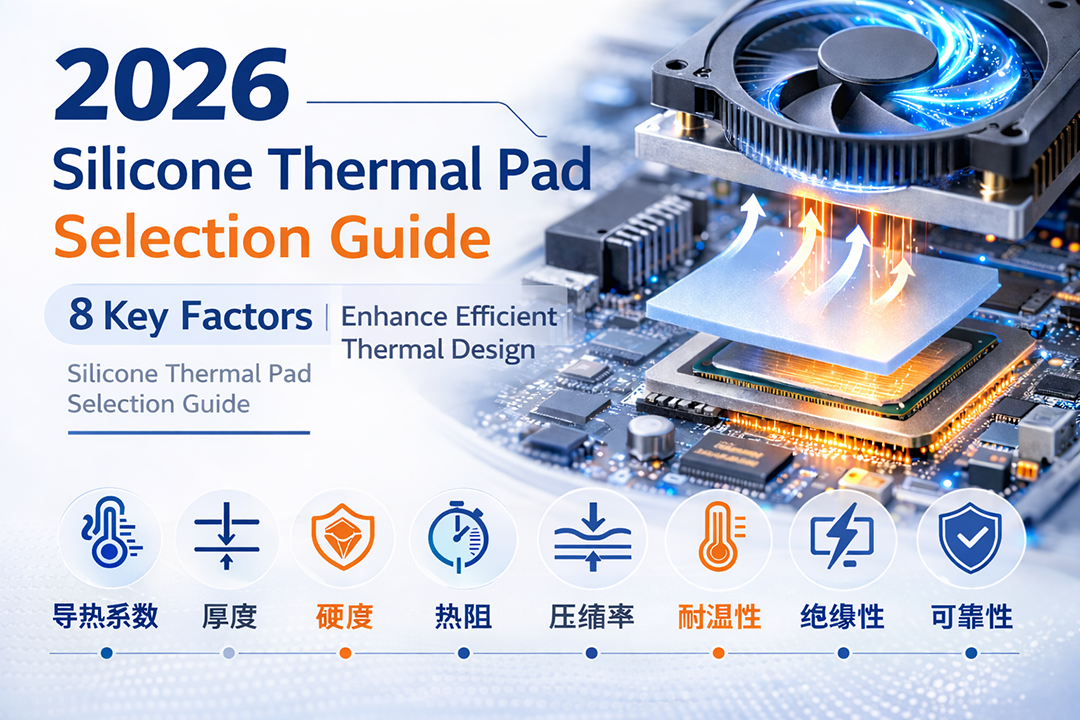
1. Thermal Conductivity: Higher Is Not Always Better
Thermal conductivity is usually the first parameter engineers look at when selecting a thermal pad. It is typically measured in W/m·K, and most commercial silicone thermal pads range between:
1 W/m·K – 15 W/m·K
However, it is important to understand that higher thermal conductivity does not necessarily mean better performance.
A higher conductivity value usually indicates a higher filler content, which may lead to:
● Increased material hardness
● Reduced compressibility
● Higher material cost
In many cases, interface contact quality has a greater impact on heat transfer than conductivity alone.
Typical recommendations:
|
Application |
Recommended Thermal Conductivity |
Recommendation Reason |
|
LED Lighting |
1.5–3 W/m·K |
In LED lighting systems, the main heat transfer path is usually LED chip → aluminum substrate → heat sink. Thermal pads mainly fill structural gaps, so moderate thermal conductivity with good compressibility is sufficient while maintaining cost efficiency. |
|
Consumer Electronics |
1.5–4 W/m·K |
Consumer electronic devices typically generate relatively low heat and have compact internal structures. Materials with moderate thermal conductivity and good softness can effectively fill interface gaps while keeping costs reasonable. |
|
Industrial Equipment |
3–6 W/m·K |
Industrial equipment often operates continuously for long periods and requires stable thermal management. Medium thermal conductivity materials provide a good balance between heat dissipation performance, mechanical reliability, and cost. |
|
Automotive Electronics |
5–8 W/m·K |
Automotive electronic systems operate in harsh environments involving high temperatures and vibration. Higher thermal conductivity materials help ensure efficient heat dissipation and long-term reliability. |
|
Network & Communication Equipment |
5–9 W/m·K |
Communication equipment and servers usually have high power density. Core processors and power modules generate significant heat, requiring higher thermal conductivity materials to maintain stable operation. |
|
High-Power Modules |
8–12 W/m·K |
High-power devices such as IGBT modules and power converters generate substantial heat. Materials with higher thermal conductivity help reduce interface thermal resistance and transfer heat efficiently to heat sinks. |
2. Thickness Selection: A Key Factor Affecting Thermal Resistance
Silicone thermal pads are commonly available in thicknesses ranging from:
0.3 mm – 5 mm
Their primary function is to fill the gap between heat-generating components and heat sinks.
The general selection principle is:
Choose the thinnest pad that can adequately fill the interface gap.
This is because, under the same thermal conductivity, thicker materials result in higher thermal resistance.
Reference guideline:
|
Actual Gap |
Recommended Pad Thickness |
|
0.5 mm |
0.5–0.8 mm |
|
1 mm |
1–1.5 mm |
|
2 mm |
2–2.5 mm |
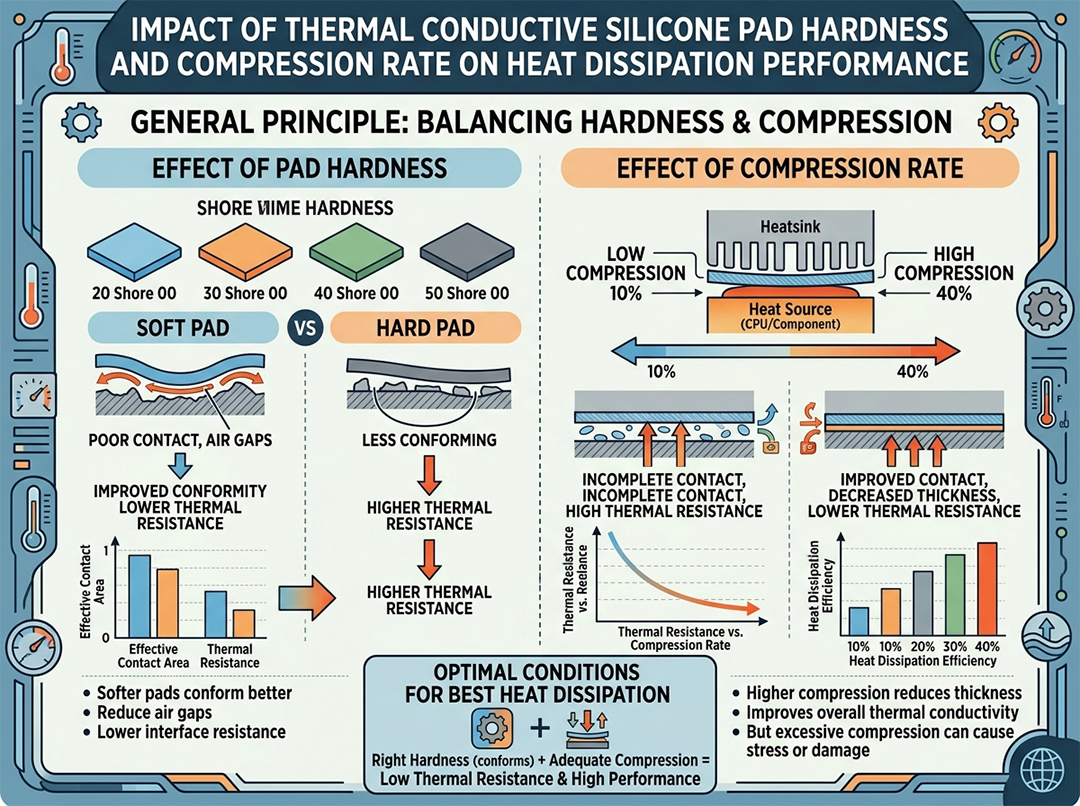
In most cases, the compression ratio should be maintained between 10% and 30% to ensure proper contact without causing excessive mechanical stress.
3. Hardness and Compressibility: Affecting Interface Contact
The hardness of silicone thermal pads is typically measured using Shore 00 or Shore A scales.
Common hardness range:
Shore 00 20 – 70
Softer materials offer several advantages:
Advantages
● Better gap filling capability
● Lower interface thermal resistance
Potential drawbacks
● Reduced tear resistance
● Possible deformation under long-term compression
Engineering recommendations:
|
Application |
Recommended Hardness |
|
Consumer electronics |
00 30–50 |
|
Automotive electronics |
00 40–60 |
|
Industrial equipment |
00 50–70 |
4. Thermal Resistance: The Real Indicator of Heat Dissipation Performance
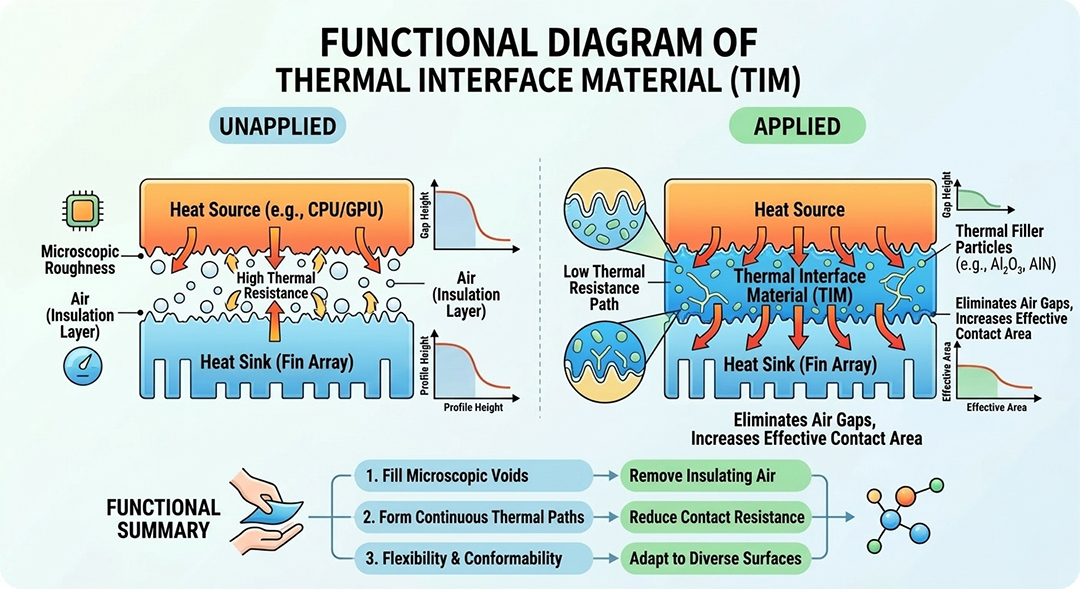
Many engineers focus heavily on thermal conductivity, but in practice, thermal resistance is the parameter that directly determines heat transfer efficiency.
The relationship can be simplified as:
Thermal Resistance = Thickness ÷ Thermal Conductivity
This means that even with the same conductivity, different material thicknesses can lead to significantly different thermal performance.
Therefore, when evaluating a thermal pad, engineers should consider:
● Thermal conductivity
● Actual material thickness
● Interface thermal resistance
rather than relying on a single parameter.
5. Electrical Insulation: Essential for Electronic Safety
Silicone thermal pads typically provide both thermal conductivity and electrical insulation.
Key electrical parameters include:
● Breakdown voltage
● Volume resistivity
● Dielectric strength
Typical values:
● Breakdown voltage: >5 kV/mm
● Volume resistivity: 10¹² – 10¹⁴ Ω·cm
These properties are particularly important in applications such as:
● Power supply modules
● IGBT modules
● Automotive controllers
● Renewable energy inverters
6. Operating Temperature Range: A Key Reliability Factor
Different industries require different operating temperature ranges.
Most silicone thermal pads operate within:
-40°C to 150°C
High-performance products may reach:
-50°C to 200°C
Typical industry requirements:
|
Industry |
Typical Temperature Range |
|
Consumer electronics |
-20°C to 120°C |
|
Automotive electronics |
-40°C to 150°C |
|
Industrial equipment |
-40°C to 180°C |
For high-temperature environments, engineers should pay particular attention to:
● Thermal aging performance
● Compression set characteristics
7. Surface Design and Assembly Features
Modern silicone thermal pads often include additional structural features to improve installation and manufacturing efficiency.
Common options include:
Single-side adhesive
Helps secure the pad during installation.
Double-side adhesive
Suitable for automated assembly lines.
Fiberglass reinforcement
Improves tear resistance.
Protective surface films
Facilitates die cutting and mass production.
For large-scale manufacturing, these details can significantly improve assembly efficiency.
8. Reliability and Certification Requirements
In industrial and automotive applications, thermal interface materials often need to meet specific certification standards, such as:
● UL94 V-0 flame retardant rating
● RoHS / REACH environmental compliance
Engineers should also evaluate long-term reliability factors, including:
● Compression set
● Aging resistance
● Long-term thermal stability
These characteristics determine whether the material can operate reliably throughout a 5–10 year product lifecycle.
Frequently Asked Questions (FAQ)
Is higher thermal conductivity always better for a thermal pad?
Not necessarily. Higher thermal conductivity often means a higher filler content, which can increase material hardness and reduce compressibility. This may increase interface contact resistance. In practical applications, a balance between thermal performance and material softness is essential.
How should the thickness of a thermal pad be selected?
The thickness should match the actual gap between the heat source and the heat sink. A compression ratio of 10%–30% is generally recommended to ensure proper contact while avoiding excessive mechanical stress.
What is the difference between a thermal pad and thermal grease?
A thermal pad is a solid thermal interface material that offers stable thickness and easy installation, making it suitable for automated assembly.
Thermal grease, on the other hand, is a paste-like material with lower interface thermal resistance but is more difficult to apply and may experience pump-out or drying over time.
What is the typical lifespan of a silicone thermal pad?
Under normal operating conditions, high-quality silicone thermal pads typically have a service life of 5–10 years, depending on temperature, compression conditions, and environmental factors.
What industries commonly use silicone thermal pads?
Silicone thermal pads are widely used in various thermal management applications, including:
● Automotive electronics
● Power modules
● Communication equipment
● Servers and data centers
● Industrial control systems
● Energy storage systems
Conclusion
As electronic devices continue to increase in power density, thermal management becomes increasingly critical. Silicone thermal pads, as one of the most widely used thermal interface materials (TIMs), must be selected based on multiple parameters rather than a single specification.
A proper selection process should consider:
● Thermal conductivity
● Material thickness
● Hardness and compressibility
● Thermal resistance
● Electrical insulation
● Temperature range
● Structural design
● Long-term reliability
By balancing these factors, engineers can design efficient, reliable, and long-lasting thermal management systems that ensure optimal electronic device performance.